
services
Comms strategy and planning for charities

Good comms starts with a clear strategy.
Many charities are busy producing content, running campaigns and managing channels - but without a clear strategic foundation, it's easy to feel like you're working hard without making real progress.
I help purpose-led organisations step back, get clarity, and build a communications strategy they can actually deliver. Whether you're planning a major campaign, refreshing your brand, or trying to get more from your channels - this is where we start.
Projects are priced from £500/day and scoped based on your needs.
What this can cover
Every project is different, but strategy work typically draws on some or all of the following: communications strategy, campaign strategy and planning, social media strategy, brand positioning, and tone of voice development. We'll scope what's right for you at the start.
What working together looks like
Strategy work isn't something I hand over and walk away from. It's collaborative - built around your organisation, your team, and what you're actually trying to achieve.
-

Discovery
We start with a focused conversation to understand your organisation, your audiences, your challenges, and what success looks like for you.
-

Stakeholder conversations
Where helpful, I'll speak with relevant people across your team or organisation to get a fuller picture before putting pen to paper.
-

Strategy development
I develop a clear, practical strategy document - written to be used, not filed away. Drafts are shared for your input and refined together.
-

Handover and next steps
The final strategy comes with clear recommended next steps, so your team knows exactly what to do with it.
Recent projects
-
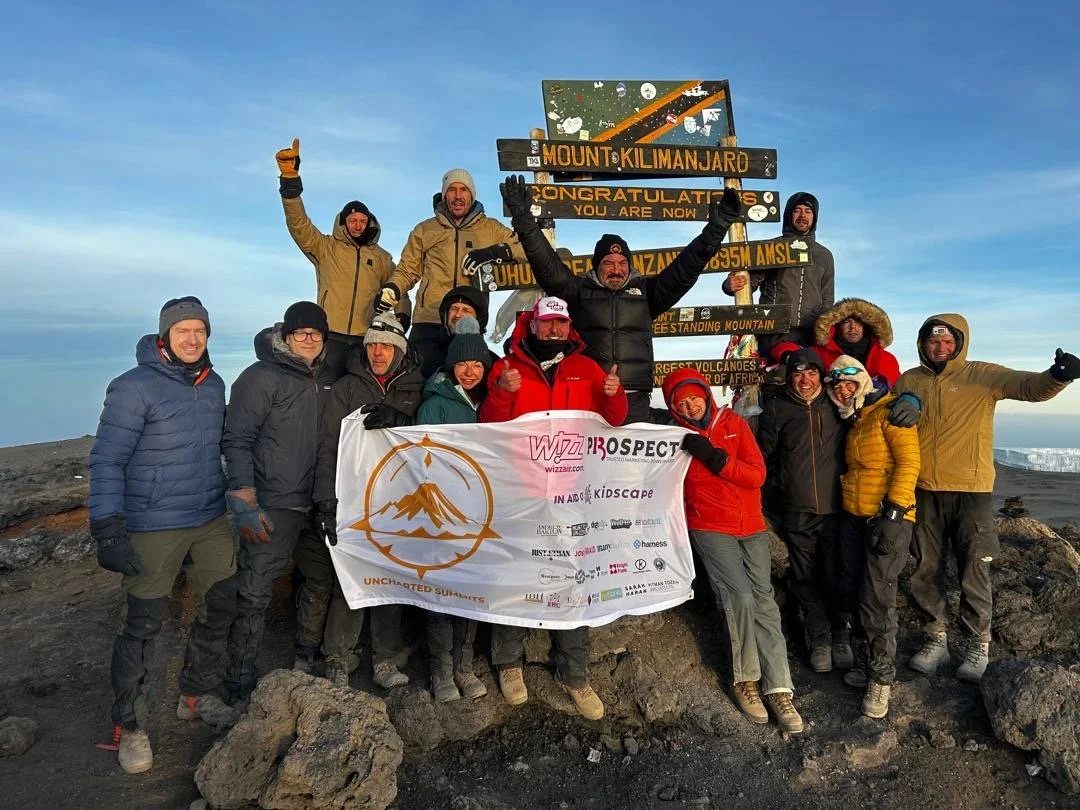
Coram Kidscape
Campaign strategy and messaging for the charity's 40th anniversary Kilimanjaro trek - planned and launched across email, social, and website during a staffing gap.
-

Activity Alliance
Developed campaign concepts and created a comprehensive campaign delivery handbook - giving the team the strategic tools to plan and run great campaigns independently.
-

International NGO, humanitarian sector
Refreshed social media strategy and planning tools to improve regional relevance and engagement across platforms for a global audience.
Frequently asked questions
-
Without a strategy, communications tends to become reactive - responding to whatever feels most urgent rather than working toward a clear goal. A strategy gives your team a shared direction, helps you prioritise, and makes it much easier to evaluate what's working. It doesn't need to be complicated. It just needs to exist.
-
Usually when something has shifted - a new campaign, a rebrand, a merger, a staffing change, or simply a feeling that things have drifted. External support is also useful when you're too close to it. Sometimes you need someone who can see the bigger picture without the internal noise.
-
You'll need to be available for an initial discovery conversation and, where relevant, to involve key colleagues in stakeholder conversations. After that, I'll do the heavy lifting - coming back to you with a draft to review and refine together. The process is designed to be collaborative without being demanding on your time.
-
A strategy sets the direction - your goals, your audiences, your key messages, and how you want to show up. A plan is what you do next - the specific content, channels, and timelines. You need the strategy before the plan makes sense. Most organisations jump straight to the plan and wonder why things feel inconsistent.
-
Sometimes, yes. If you have the capacity, the headspace, and someone with the right experience, absolutely. But in-house teams are often stretched - and strategy work requires focused time that's hard to protect when you're also managing day-to-day delivery. Bringing in external support means it actually gets done, and done well.
-
Often especially so. Small teams benefit most from having clear strategic foundations - because there's no room to waste time or resource on things that aren't working. A strategy doesn't need to be a 40-page document. It needs to be clear, practical, and something your team can actually use.
Ready to get started?
Book a free discovery call and we'll talk through what you need, what's realistic, and whether we're a good fit.