Cloaks in the group chat. Round table theories at work. Claudia’s fringe on every feed. The Traitors has taken over the nation again, and our social feeds have gone with it.
Every brand wants in. Most of it should be banished on sight: a “faithful” pun with nothing behind it, or a round table graphic any brand could have made. But some charities have played the game brilliantly this series. They’ve found a real reason to join the conversation, and used it to say something that matters.
Here’s what they did, and what you can take from it for your own comms.
1. Find your genuine connection
Before you post anything, ask yourself why this moment matters to you specifically. Most charities have to look for a link to The Traitors. One didn’t.
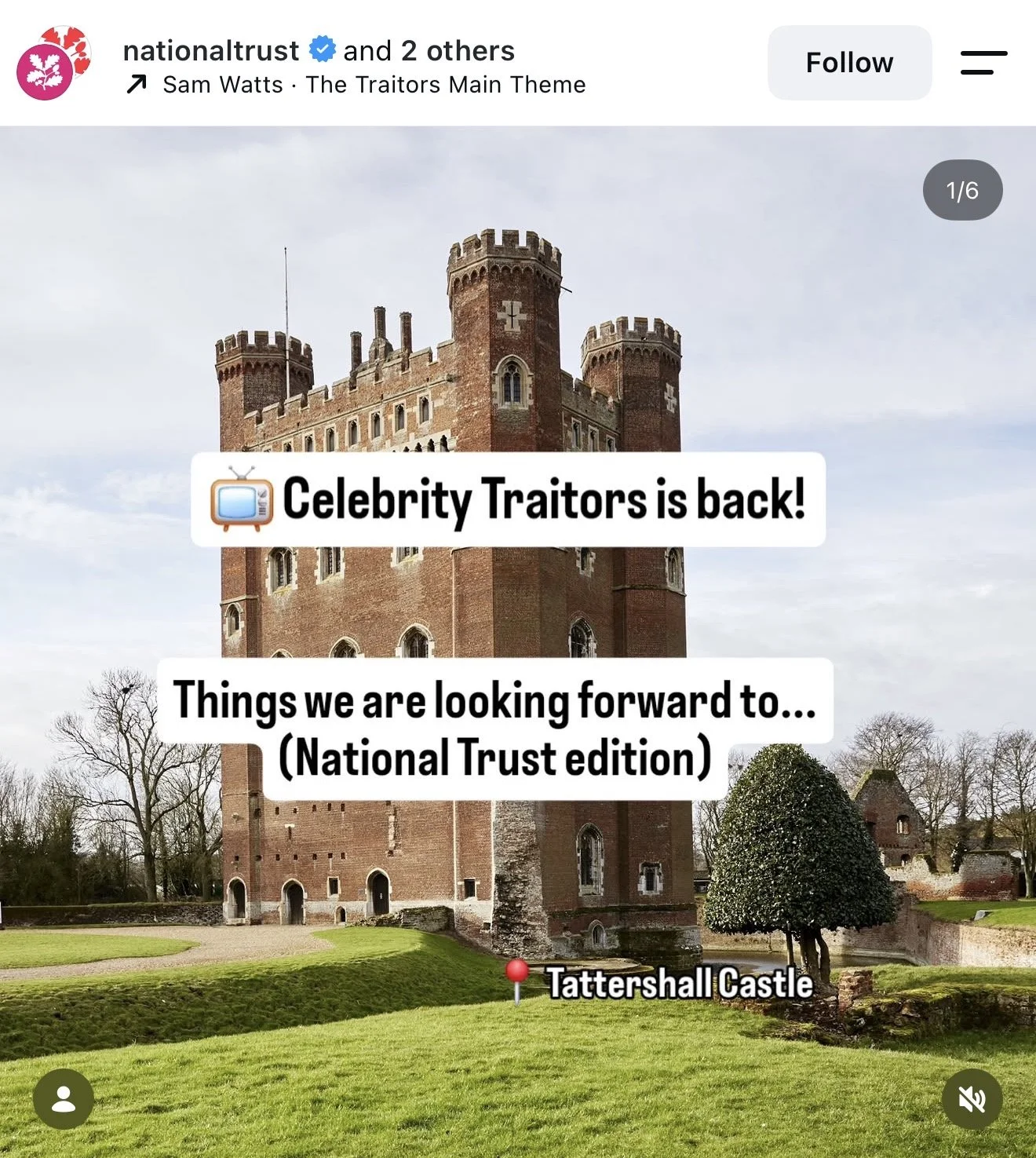
The National Trust
The National Trust didn’t need to stretch. They look after actual castles, so a show set in one was always going to be theirs to have fun with. They used launch night to share what they were looking forward to, from the owl to the inevitable row over the last scone. It’s playful and warm, and no one else could have posted it.
Try this: Can you finish this sentence: “The Traitors matters to us because…”? If you can do it in one line, you’ve probably got something. If you can’t, the next section might be more your thing.
2. Borrow the moments, point them at your mission
You don’t need a link to the show to use it. These charities took moments everyone recognised and used them to say something about their own work.
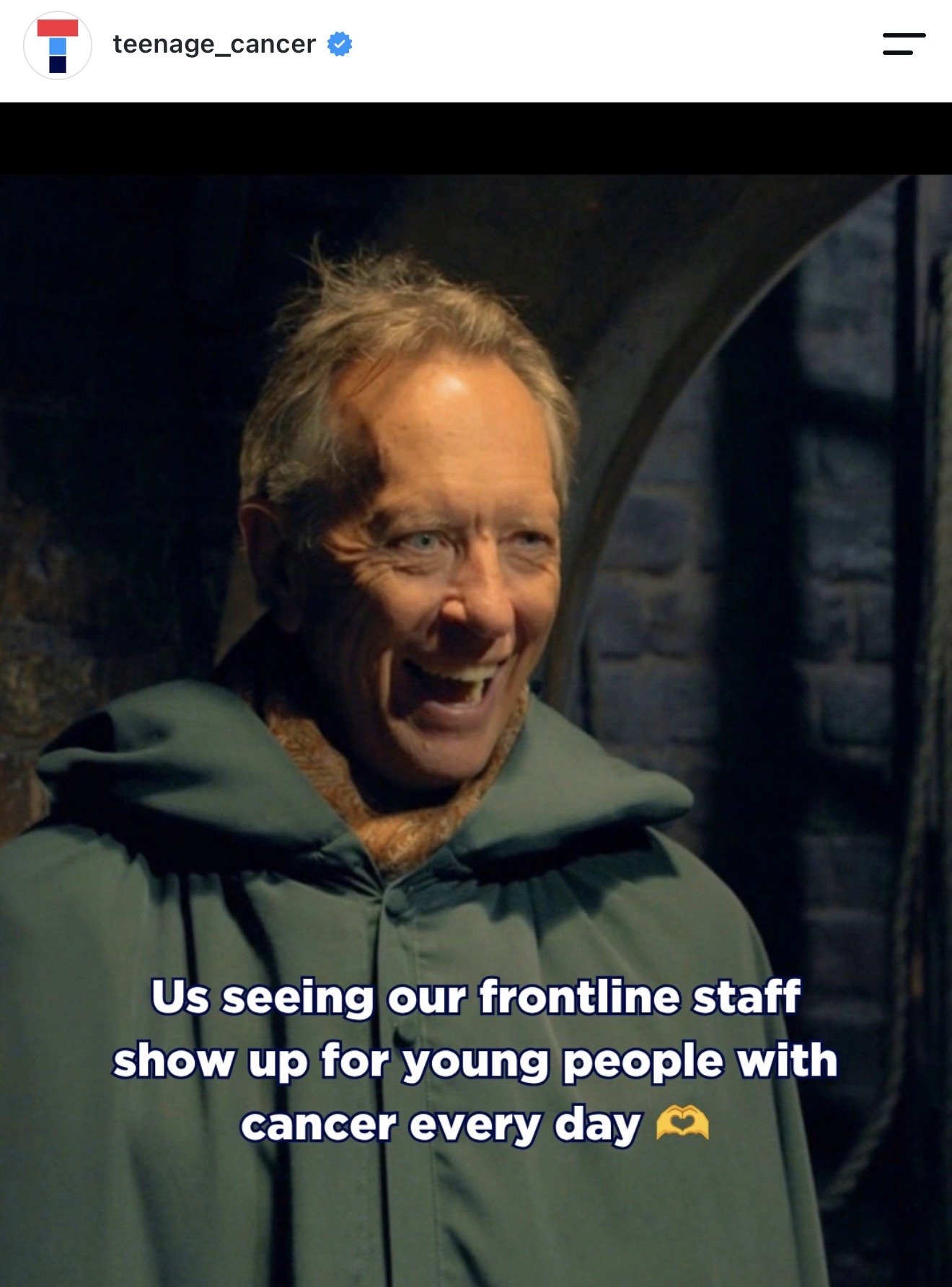
Teenage Cancer Trust
Teenage Cancer Trust took the moment of episode one, Richard E. Grant’s delight at being picked as a Traitor, and turned it into a thank you to their frontline staff. They posted it the next day, while everyone was still talking about that grin. Being quick was half the win.
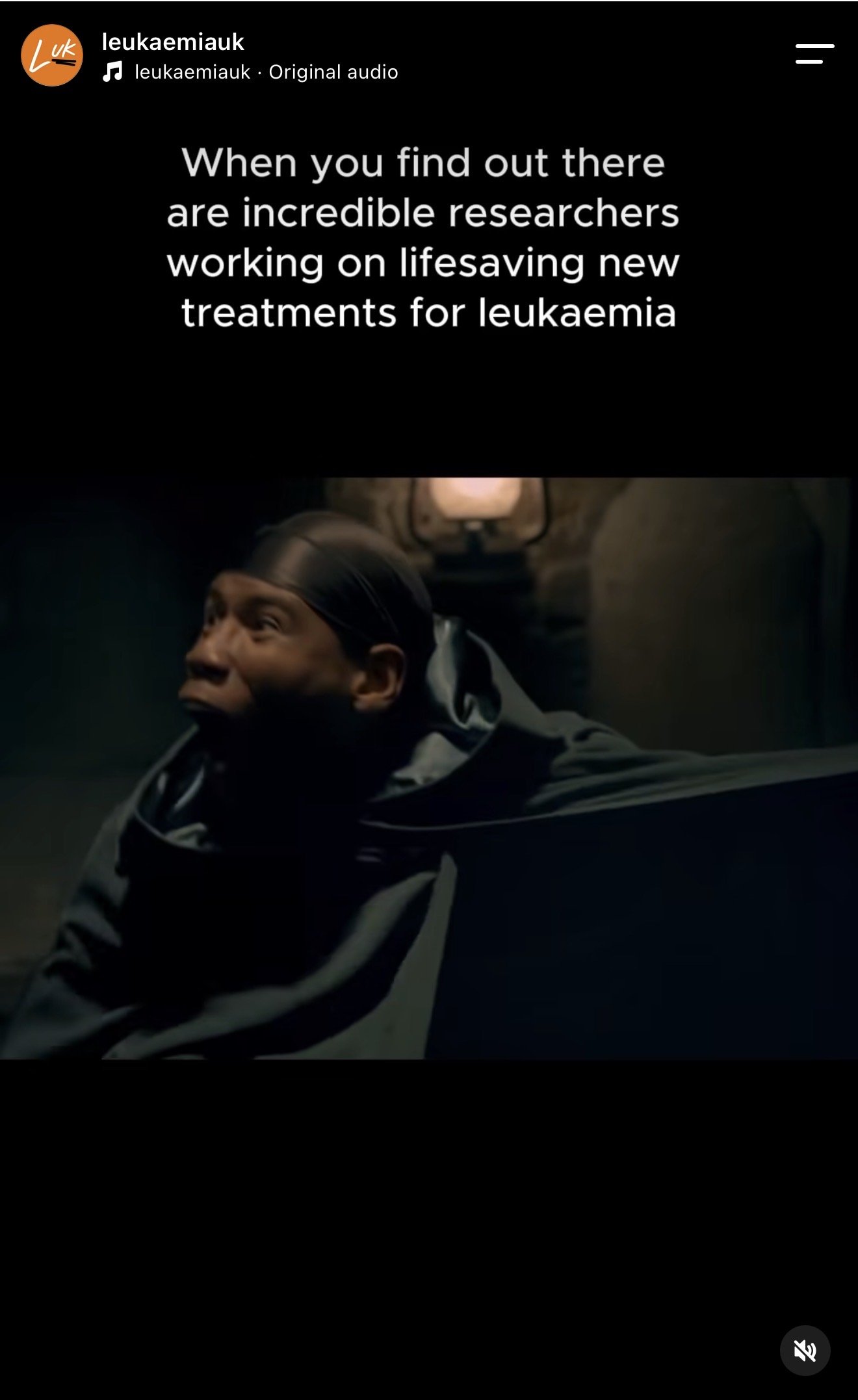
Leukaemia UK
Leukaemia UK used a shocked King Kenny to celebrate their researchers. The caption was simply “They constantly blow our minds.” They didn’t need to explain anything. A research charity showing pride in its research says plenty.

Alcohol Change UK
Alcohol Change UK used the show to cheer on anyone still doing Sober October, and gently poke fun at the friends who aren’t. Other people are often the hardest part of a sober month. They got that across with no stats and no lecture, just a bit of encouragement halfway through.
Try this: What’s the feeling you want people to have about your work? Pride, amazement, or “oh, that’s me”? Find the moment in the show that already says it.
3. Same meme, completely different message
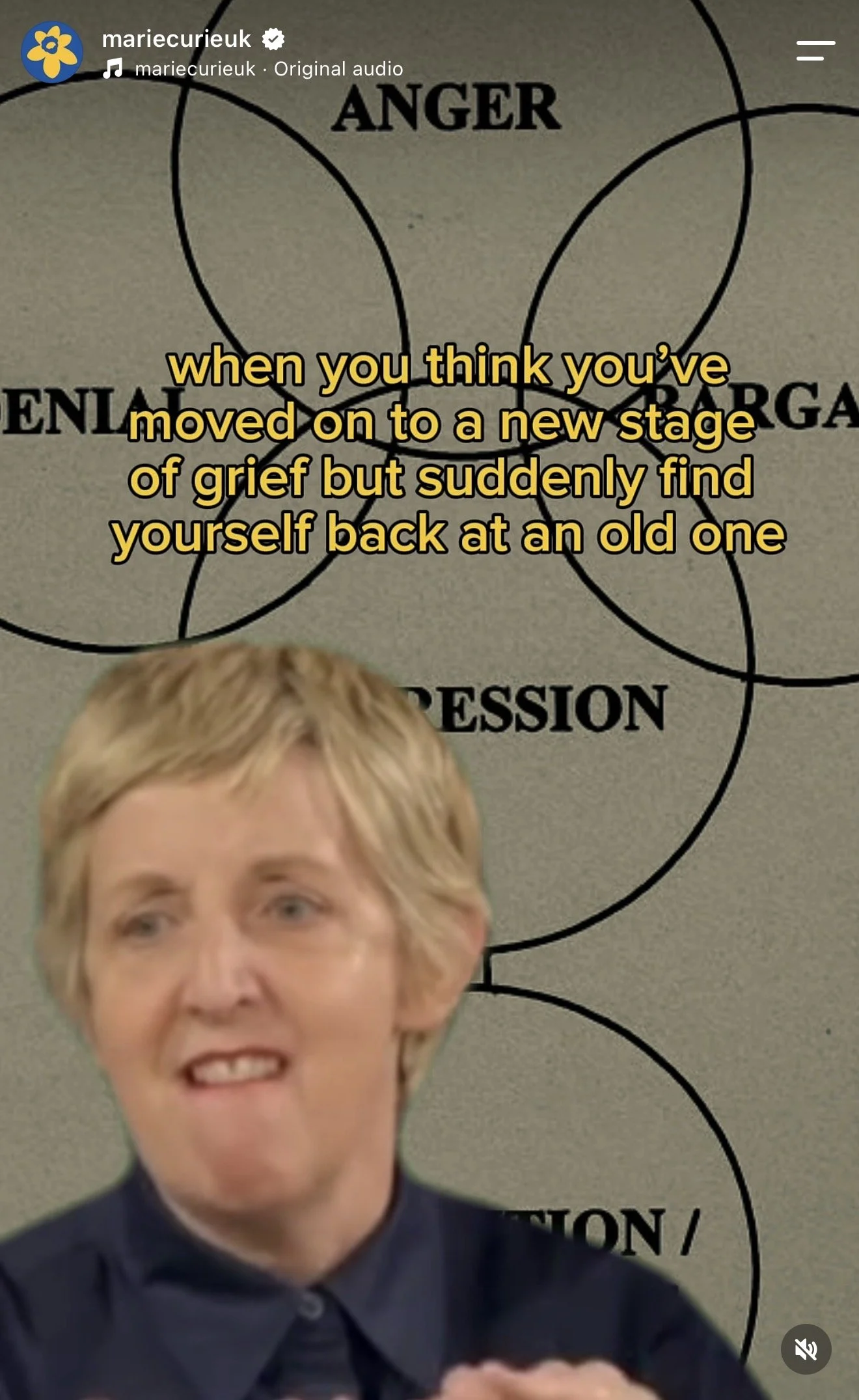
The most-shared moments in a series become a shared language for a few weeks. Two charities took the same Julie Hesmondhalgh “make any sense” moment and used it to say completely different things.
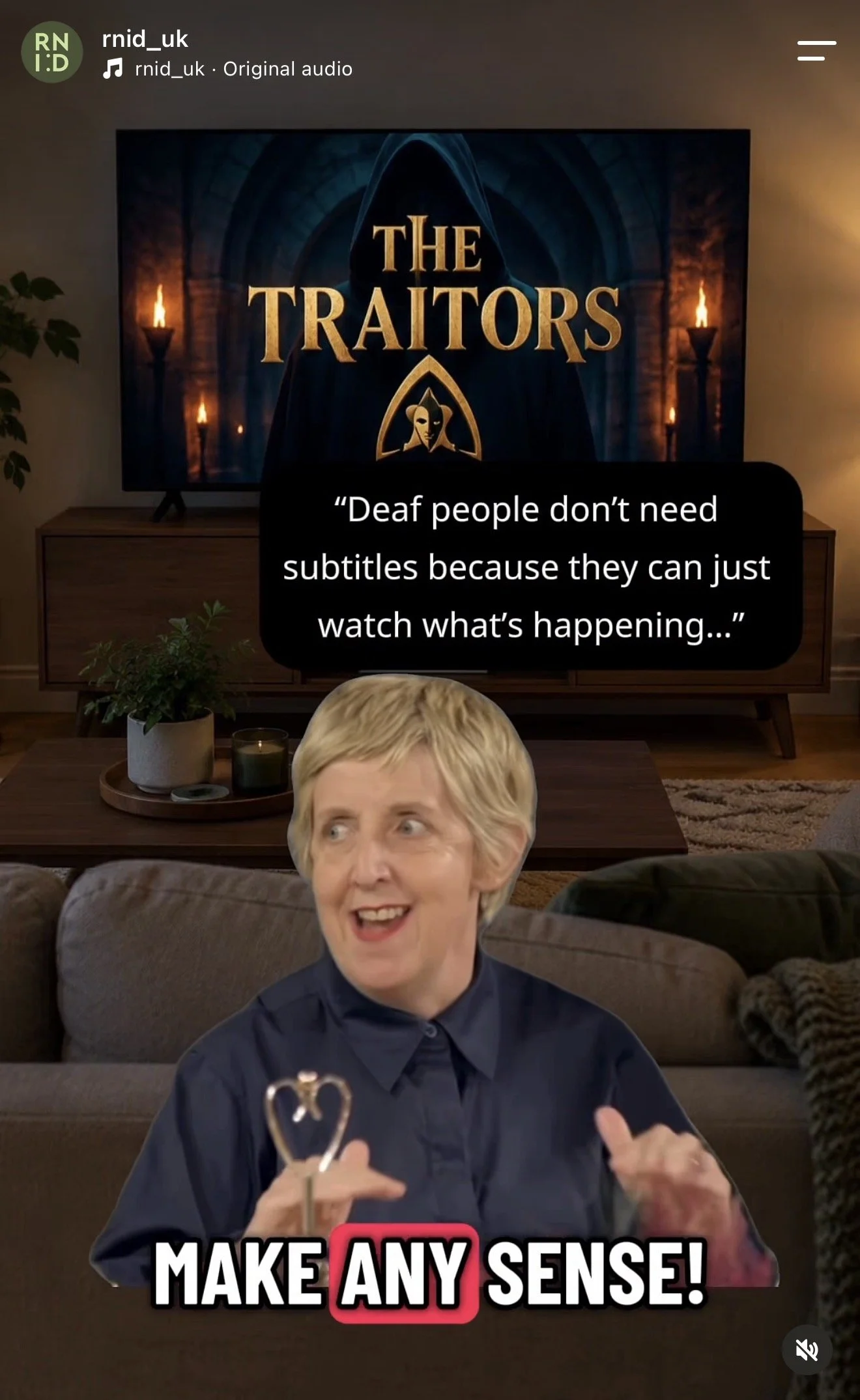
RNID
RNID took a myth deaf people hear far too often, that they don’t need subtitles because they can just watch what’s happening. They answered it with the show’s most-shared reaction. Then they gave people one easy thing to do: send it to someone who just doesn’t get it. That’s myth-busting that spreads itself.
Marie Curie
Marie Curie used the same Julie Hesmondhalgh moment to talk about grief, and how it doesn’t move neatly through stages. A grief meme is a brave choice. It works because the joke is on the tidy theory, not on the person grieving, and the caption is gentle. There’s no right or wrong way to feel.
Try this: The meme is the hook, not the message. What’s the one thing your audience is tired of hearing, or quietly feeling? That’s usually where the best meme goes.
4. Invite people to play along
The show is a game, and some of the best charity posts let their audience join in.
Woodgreen Pets Charity
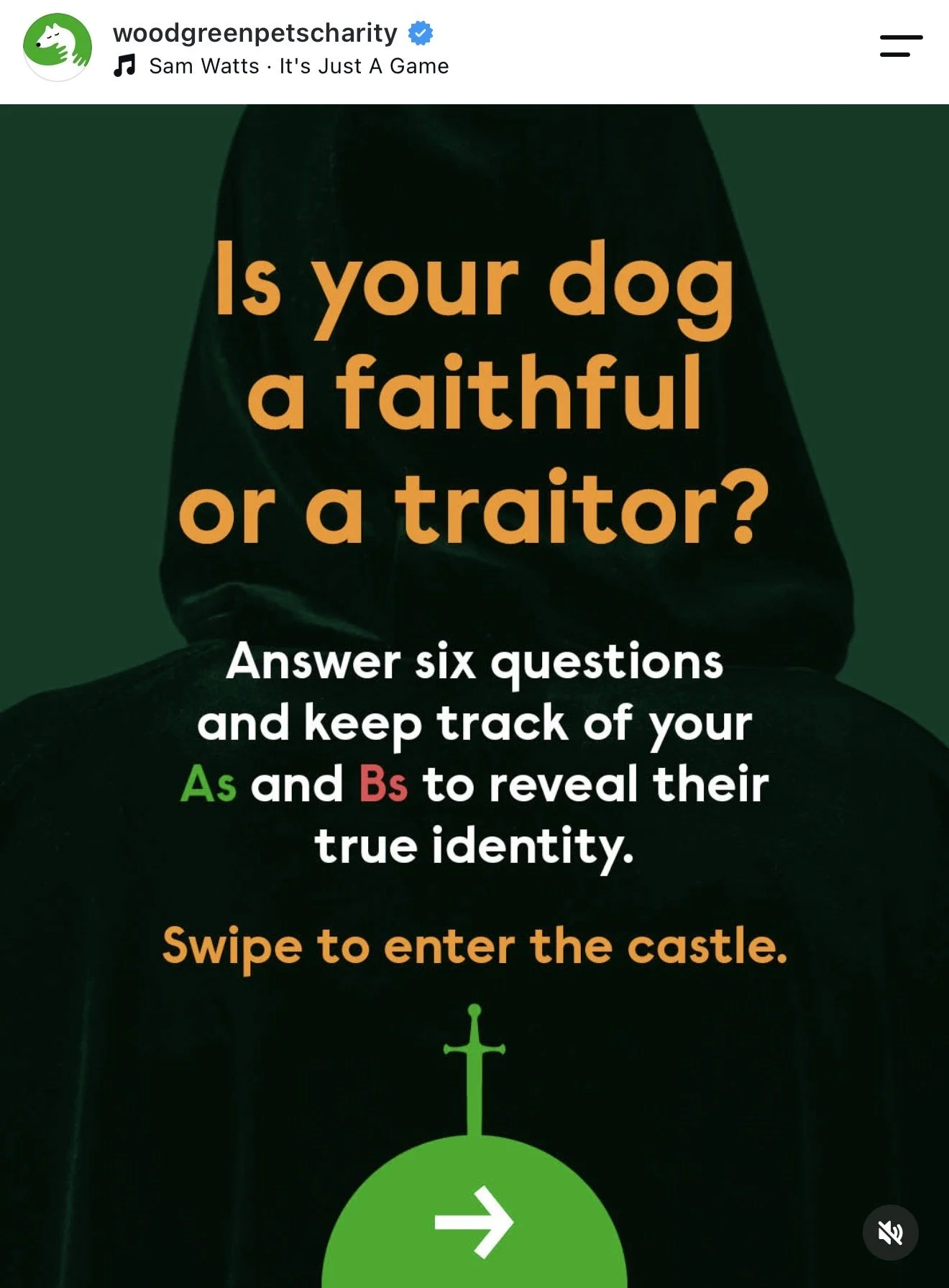
Woodgreen turned the show into a personality quiz for your dog. The post had almost as many shares as likes, so people weren’t just enjoying it. They were sending it to every dog owner they know. For a rehoming charity, that’s exactly the audience you want.
Little Princess Trust
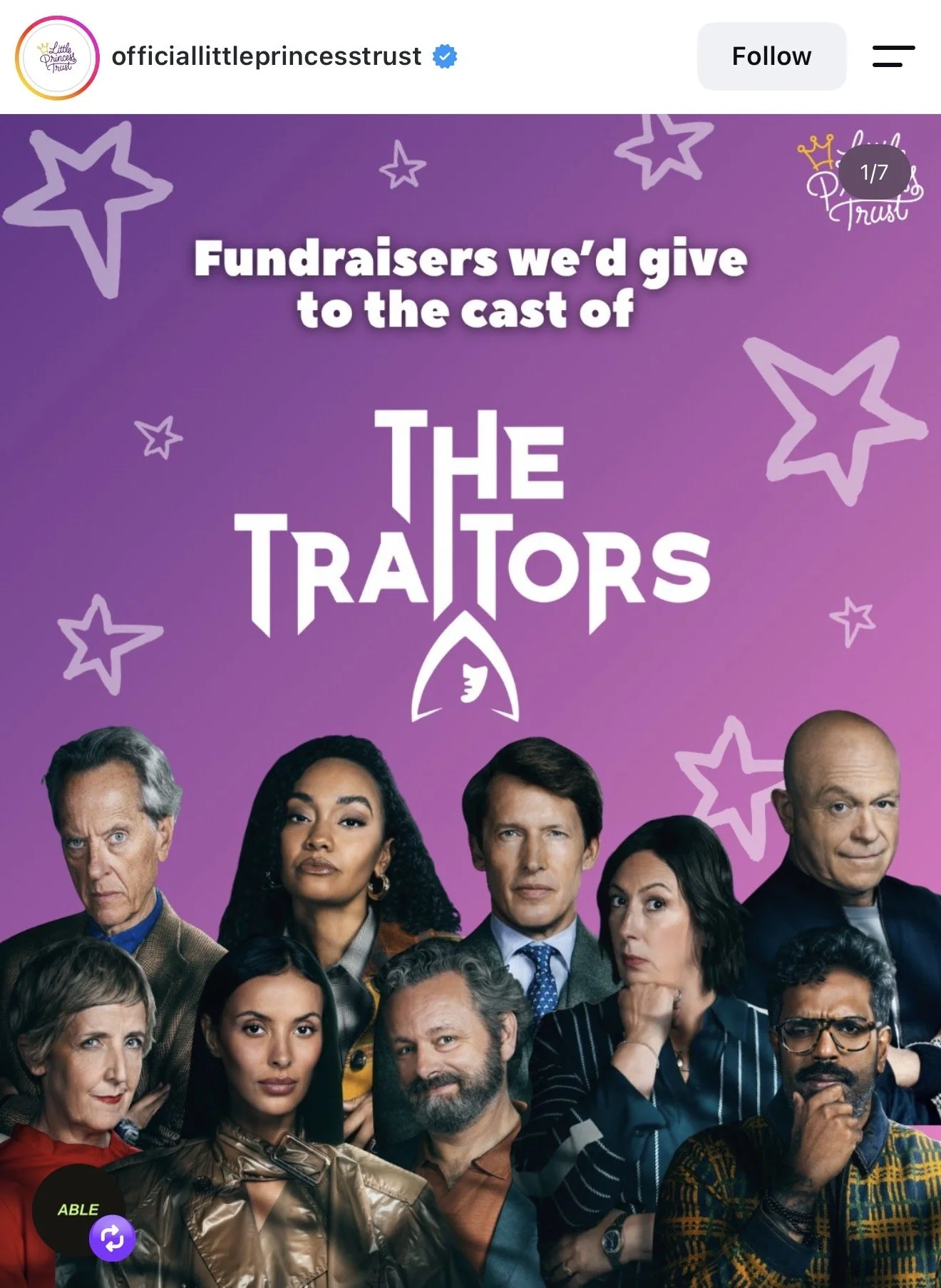
Little Princess Trust sorted the cast into fundraiser types, then asked which team you’d join. It’s a list of fundraising ideas that doesn’t feel like an ask. By the time you’ve picked your team, you’re already picturing yourself doing it.
Mental Health UK
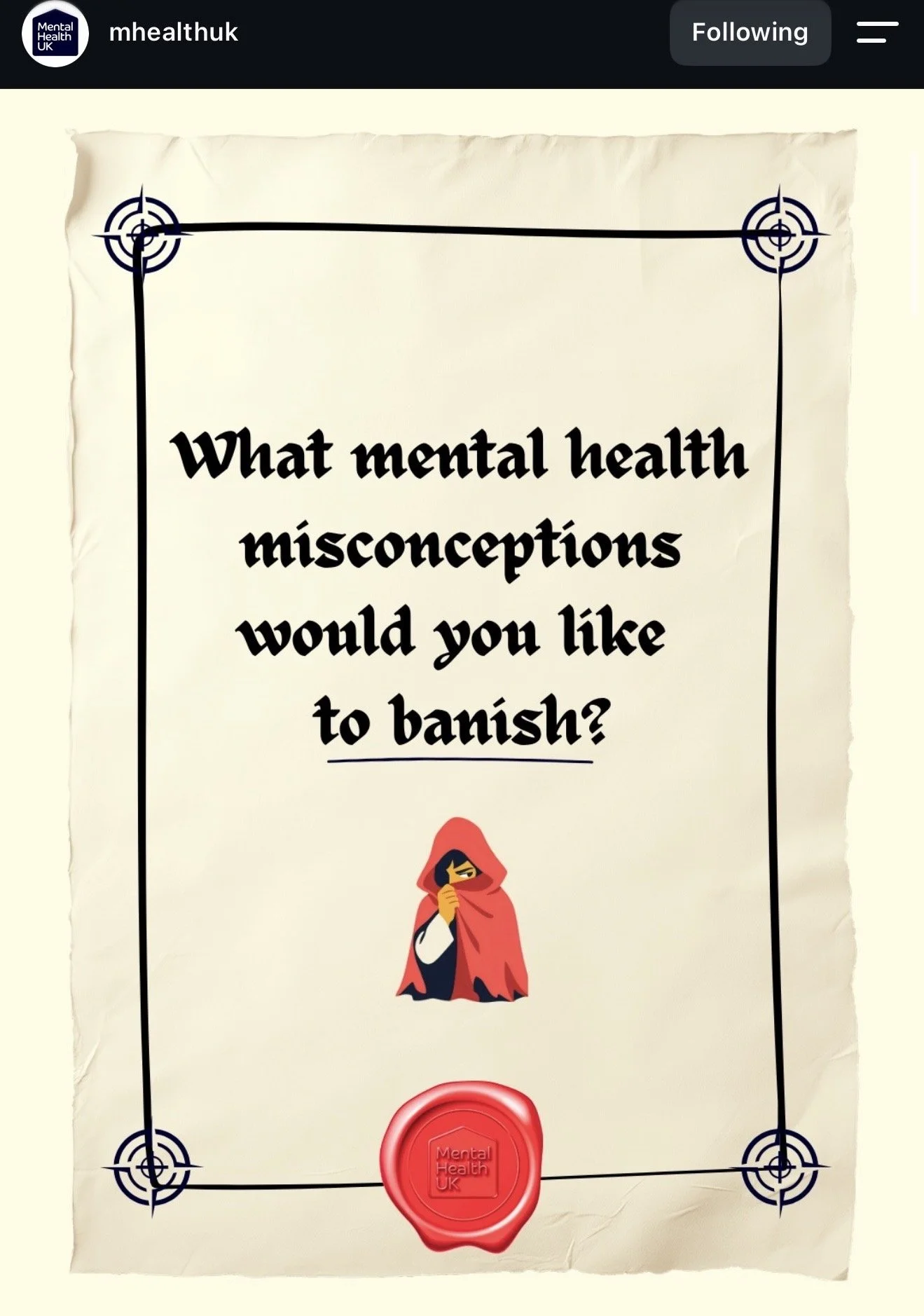
Mental Health UK borrowed one word from the show, “banish”, and asked which mental health misconceptions people would send home. It’s a simple question that turns their audience into the faithfuls, voting out the myths. It invites people to join in rather than telling them what to think.
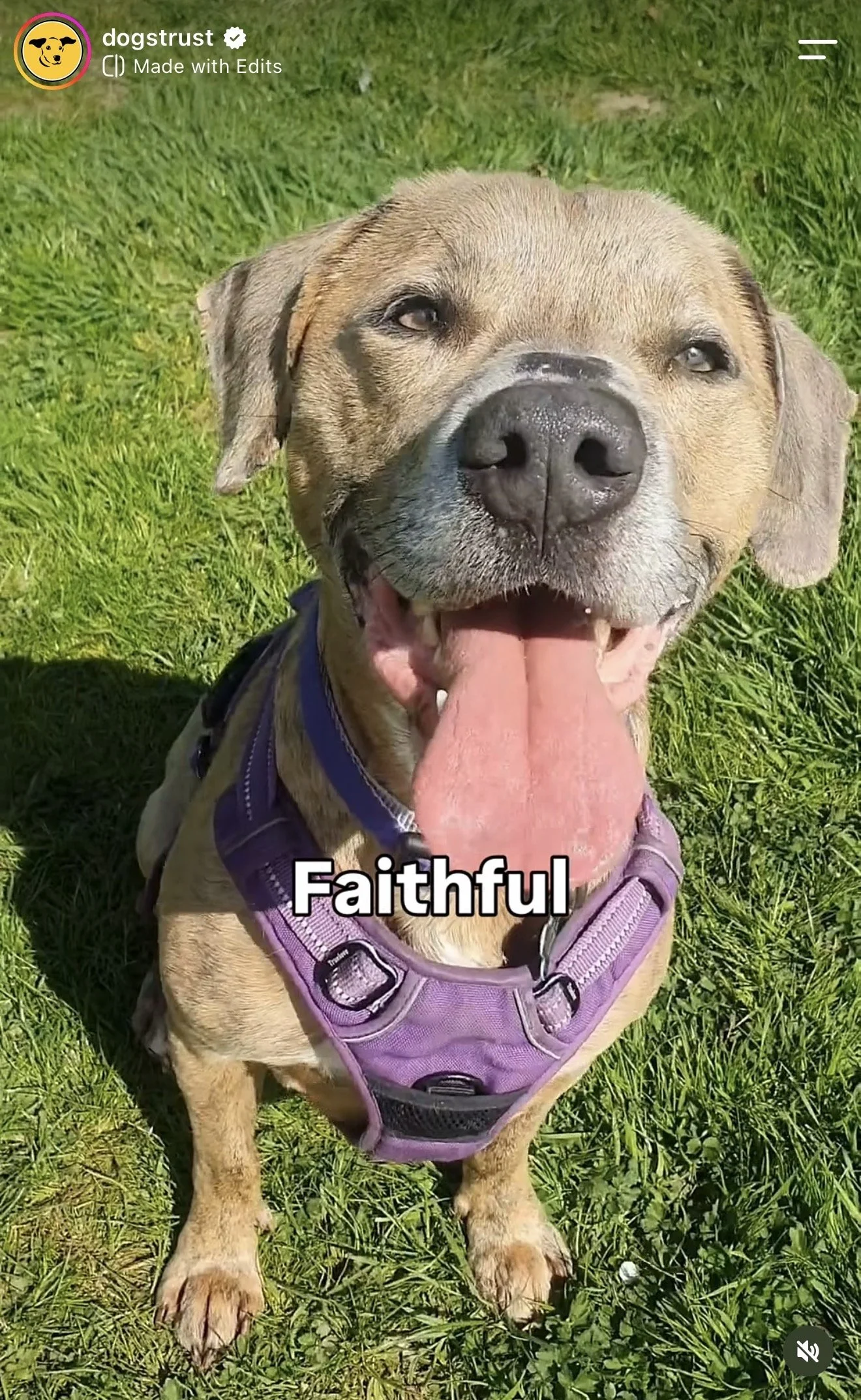
Dogs Trust
Dogs Trust went big on launch night with dogs as faithfuls and cats as traitors (ps they love cats). Is it saying anything profound? No. Is it completely on brand and actually funny? Yes. Sometimes that’s enough.
Try this: Could your post be something people do, not just something they read? A quiz, a “which one are you?” or a question worth answering gives people a reason to comment and share.
5. Practise what you post
RNIB did this during the World Cup too, and they’ve done it again.
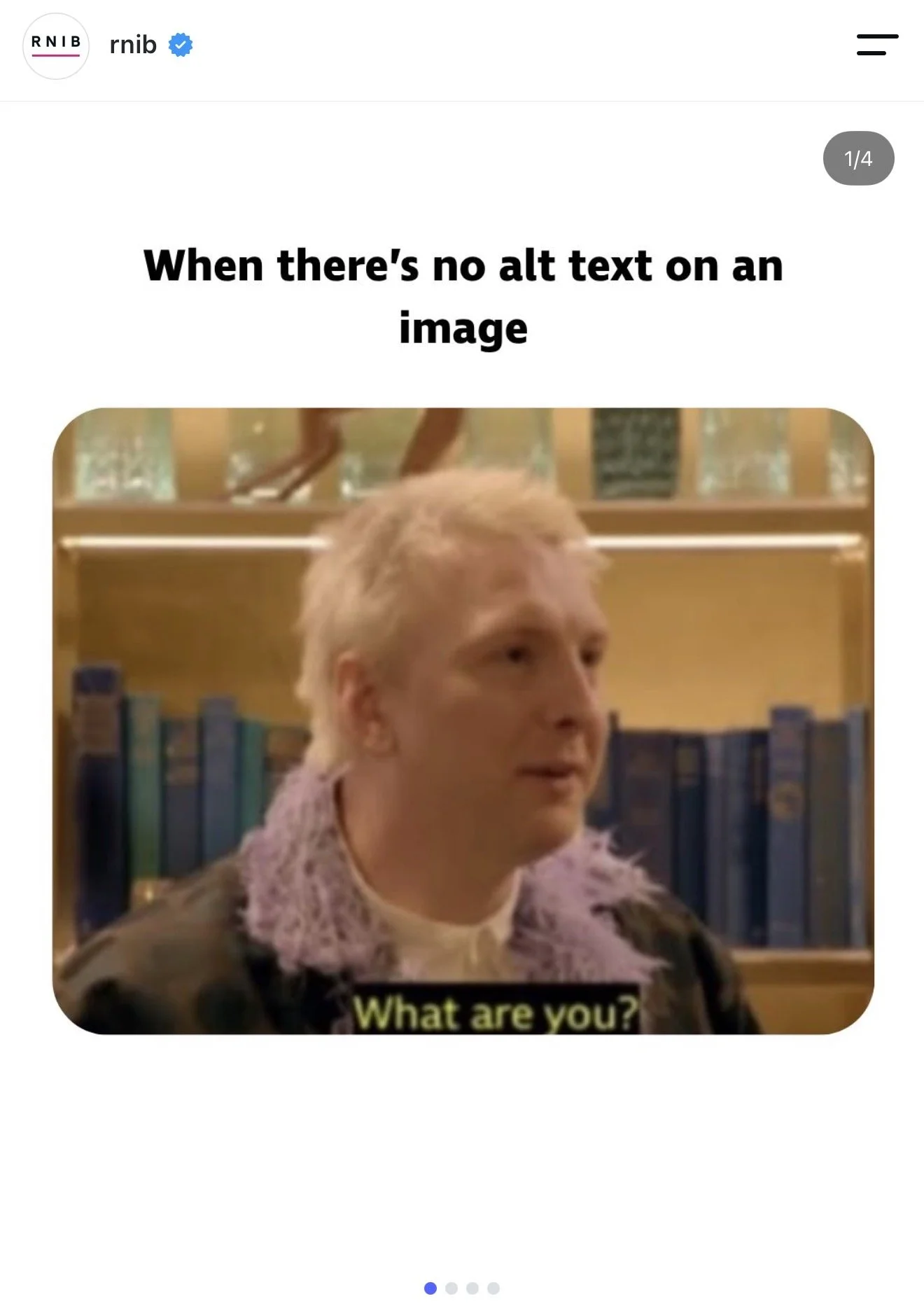
RNIB
RNIB used Traitors memes to show what it’s like when posts have no alt text, then told you exactly how to add it and described every image in the caption. Funny, useful, and practising exactly what it preaches.
One more thing
This round-up feels very different from my World Cup one. Most of these posts are light, playful and a bit daft, and that’s fine. Not every cultural moment needs a hard-hitting message.
But the best ones still had a point. They knew who they were talking to, found a real reason to join in, and trusted their audience to get the joke and the message.
