Baking Street and beyond: charity comms that shone in the heat
June was hot. Really hot. And while most of us were googling "how to sleep without air con" and panic-buying fans, the charity sector was doing what it does best - finding ways to make people stop, think, and act.
Heatwaves are interesting from a comms perspective because they're one of those rare moments where almost everyone is talking about the same thing at the same time. The question isn't whether there's an opportunity - it's whether you can find the angle that's genuinely yours to tell, rather than just commenting on the weather for the sake of it.
Some charities absolutely nailed that this June. Here's what they did, and what we can all take from it.
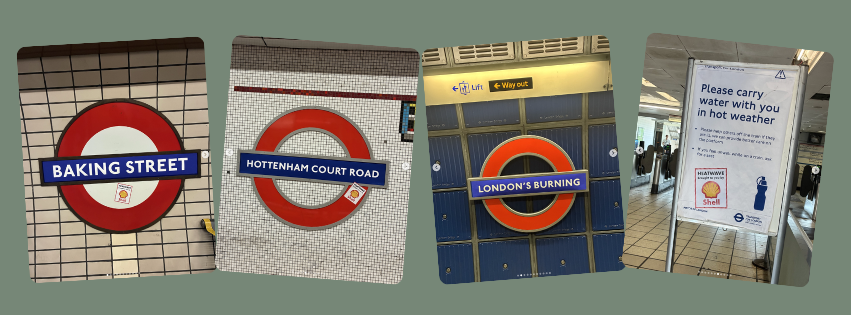
Greenpeace UK: London's Burning
Let's start with the one everyone was screenshotting and taking photos of. Greenpeace UK temporarily renamed London Underground stations on their socials - Baking Street instead of Baker Street, London's Burning in place of London Bridge - to make a point about extreme heat becoming the norm.
It's silly on the surface, which is exactly why it works. Humour gets people looking. The climate crisis message keeps them there. It's also a great example of taking something universally familiar (London tube stations) and using it to make an abstract issue feel immediate and local.
The lesson: wit isn't a distraction from a serious message. Sometimes it's the best vehicle for one.
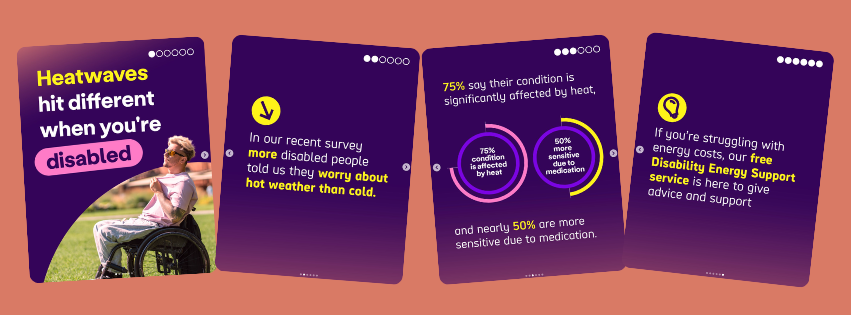
Scope: heatwaves hit different
While much of the heatwave coverage focused on how to stay cool, Scope used the moment to highlight something the mainstream conversation was largely missing - that extreme temperatures are significantly more dangerous for disabled people.
They shared recent survey findings and used the moment to promote their Disability Energy Support service. It was a smart piece of reactive comms that didn't just jump on a trend, but used it to reinforce an existing campaign with fresh relevance.
The lesson: a topical moment can give your existing evidence a second life. If you've got data sitting in a report somewhere, a heatwave - or any major news hook - might be exactly the moment to surface it again.
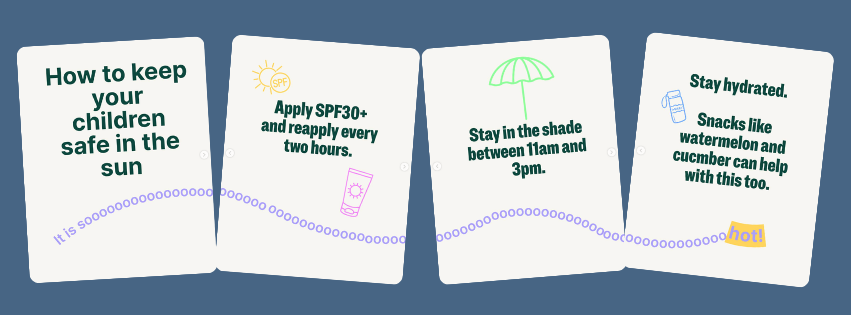
Barnardo's: keeping children safe in the sun
Not every standout piece of comms needs to be groundbreaking. Sometimes the most valuable thing you can do is share clear, practical, timely advice - and Barnardo's did exactly that.
As temperatures soared, they shared simple guidance to help parents keep children safe in the heat. Clear, useful, well-timed. It met families where they were, with information they could act on immediately.
The lesson: useful content is always good content. Not everything needs a hook or a creative concept. Sometimes showing up with the right information at the right moment is enough.
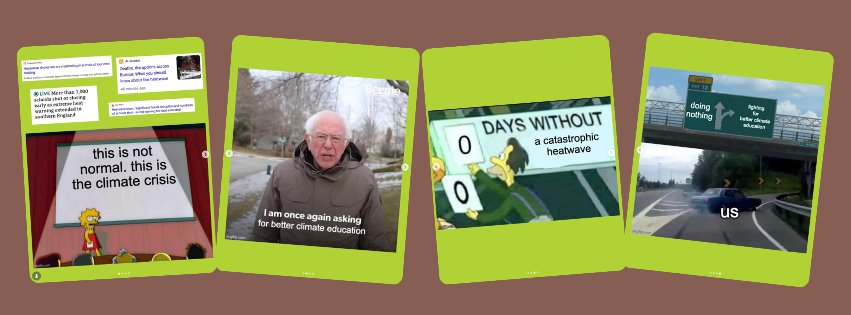
SOS UK: climate education
SOS UK used the heatwave as a teaching moment. Rather than focusing purely on staying cool, they connected the dots between the temperatures people were experiencing and the bigger picture of climate change - using humour, memes and clever visuals to do it.
It felt timely without feeling opportunistic, which is a difficult balance to strike. They never lost sight of their mission, even when leaning into a trending topic.
The lesson: the best reactive content doesn't abandon your purpose - it finds your purpose inside the story everyone else is already telling.
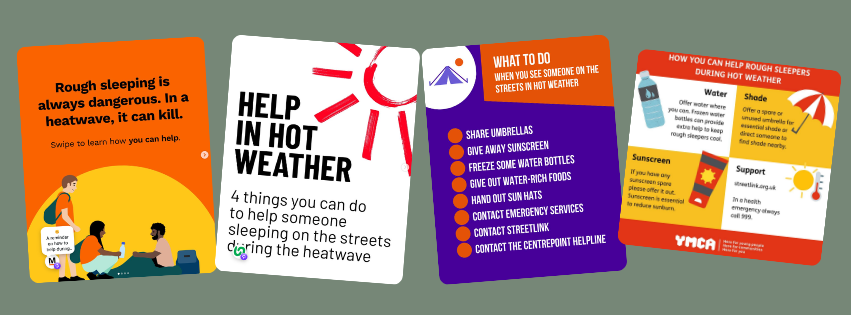
Homelessness charities: looking beyond ourselves
This one felt important. While most heatwave content was framed around personal inconvenience - how hot is too hot to exercise, what to eat, how to sleep - charities including Shelter, St Mungo's, YMCA, Centrepoint and Depaul were highlighting something much harder: that extreme heat is genuinely dangerous, sometimes fatal, for people sleeping rough.
Alongside practical information about how the public could help, they shifted the frame from discomfort to danger. It was a reminder that the same weather event is experienced in completely different ways depending on your circumstances.
The lesson: every big story has more than one angle underneath it. Good comms looks for the one that's being missed.
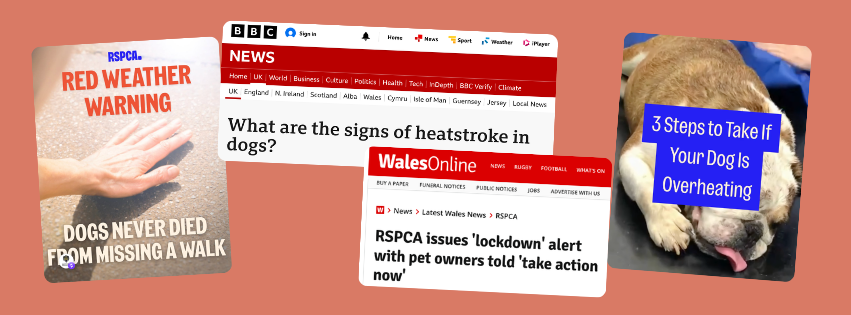
RSPCA: dogs never died from missing a walk
RSPCA ran heatwave messaging across social media and press - practical advice for pet owners about walking times, hot pavements, and keeping animals cool. But one line stood out above everything else: "Dogs never died from missing a walk."
Short. Memorable. Impossible to misunderstand. It's everything emergency messaging should be, and it's the kind of line that gets shared and repeated because it does its job so efficiently.
The lesson: in urgent situations, simplicity wins. The message people remember is the one that's impossible to forget.
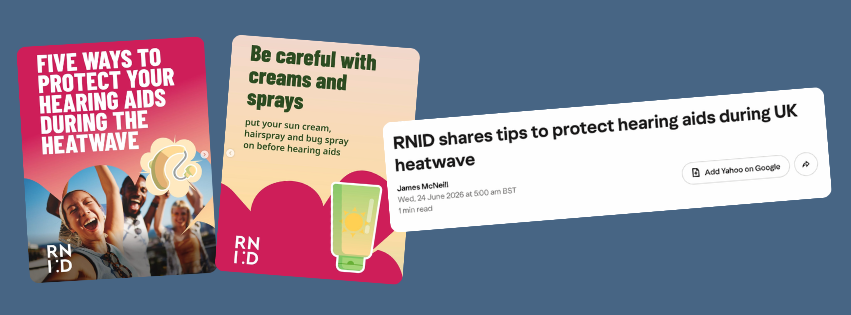
RNID: protecting hearing aids in the heat
Here's an angle most of us probably hadn't considered: extreme heat and humidity can damage hearing aids.
RNID used the heatwave to share practical advice for hearing aid users on how to protect their devices during hot weather - a genuinely useful, specific piece of content that only they were placed to produce. While everyone else was talking about sun cream and hydration, they found the angle that was entirely theirs.
The lesson: reactive comms doesn't have to mean chasing the same story as everyone else. Sometimes it means asking: what does this moment mean specifically for our audience? The most powerful reactive content is often the most specific.
So what does this all add up to?
Looking at the charities that cut through, a few things stand out:
They responded to what was actually happening - not a version of it that fitted their existing content calendar, but the real thing, in real time.
They found their specific angle. Not just "it's hot" but "here's what that means for the people we work with" or "here's what only we can say about this."
They didn't all use the same approach. Some were witty, some were practical, some were sobering. The format served the message, not the other way around.
And they made it easy for people to do something - whether that was sharing advice, supporting a service, or simply seeing a situation differently.
That's what good reactive comms looks like. Not jumping on every trend, but knowing when a moment is genuinely yours to use - and being ready to use it well.
Want more analysis of charity comms that's actually worth reading?
Sign up for The Charity Comms Edit - my newsletter for charity comms professionals.
